

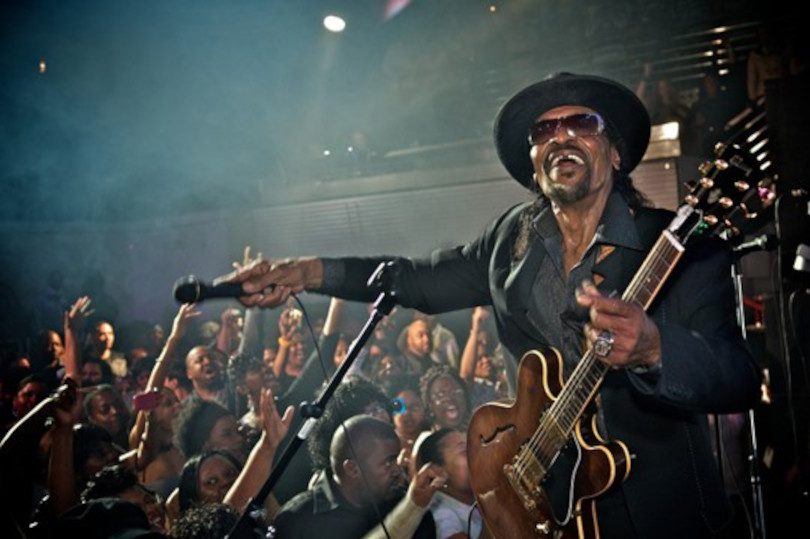
Gogo music is D.C.; the funky drums, call and response, and high energy performances have been culturally embedded into Chocolate City for over three decades. For those who don’t know, Gogo is a music genre coined in the mid 1970s by musicians like D.C. native, Chuck Brown. The sound is often identified through lively bells, loose and iconic drum pockets, and a soulful cover singer. Gogo is considered by many to be the cultural soundtrack of the DMV.
One of the most beloved DC Gogo songs is the 2005 anthem “Sexy Lady” by UCB. This D.C. classic is the soundtrack to cookouts, block parties, celebrations and milestones. It’s the music you hear blasting out of the car on U-Street on a hot summer day. It floods D.C. natives with memories of childhood and home.
Remixing Gogo?
Lizzo, the Detroit singer, released an album called Bitch in the beginning of June. Since then, both singer and album have been met with criticism. A major one being disapproval of her “Sexy Lady” remix from D.C. natives and Gogo lovers alike. Over a Tay Keith remix beat (RIP), Lizzo covers the Sexy Lady chorus and adds her own rap verses. Although the track features UCB, many D.C. natives on social media have stated the remix feels “too commercial” and “does not represent the DMV.” Along with this, people expressed disapproval at the removal of the iconic Gogo drums for the more generic sounding trap beat.
Lizzo referred to her remix as the “song of the summer” on TikTok. This received backlash from DMV natives who stated it’s been their song of the summer for over twenty years. Natives have expressed that it feels like Lizzo is trying to commodify a D.C. anthem and sell it back to them. They don’t want to be sold a commercialized version of their lives.
Respect D.C. Culture
The public response, however, hasn’t only been scrutiny. There have been positive reactions from social media users who call it catchy, fun, and praise the idea of Gogo going mainstream as well. Many listeners state that they don’t understand the problem, especially given that Lizzo was tasteful and respectful. She’s been commended for her use and compensation of UCB and vocal about her appreciation of D.C. culture and music. She claims her intentions were nothing but positive.
It’s clear that D.C. doesn’t play about its culture. The erasure of Chocolate city, the dog poop on sacred grounds, the silencing of the metro store, and so many other incidents create a protective urge in a D.C. native who feels like their culture is up for grabs. To the rest of the world, Gogo is just another genre. But to D.C. it’s the soundtrack that colors their existence — it’s not something they trust to just anybody. So, DMV natives let me ask you: Was Lizzo worthy? Did she engage in a way that felt like appropriation or appreciation?
Featured image/photo of Chuck Brown by Chip Py.
#RespectGogo
#DCVoice
#TheDCVoice
#DCVoiceMedia
#DCVoiceNetwork
#DCVoiceTV
#DCVoiceStudios
#DCVoiceOfficial
#changingthenarrative
#media
#news